
Bed Bug Treatment
Preparation Checklist
Complete these steps before your scheduled service date.
 Plan to be out for at least 4 hours
Most treatments include fogging. All people and pets must leave during treatment and stay out for at least 4 hours afterward.
Told your treatment does not include fogging? No extended wait is needed. Stay off treated surfaces until they are dry, usually a couple of hours. Not sure? Ask your landlord or property manager, or contact us.
Do not use store-bought foggers, bug bombs, or any DIY sprays before your service. These don't reach hiding bed bugs and can make the problem harder to treat.
Also handle these before treatment
 Food: Store everything in sealed containers, cupboards, or the fridge.
 Pets: Take all pets with you, including birds. Birds are highly sensitive to airborne pesticides.
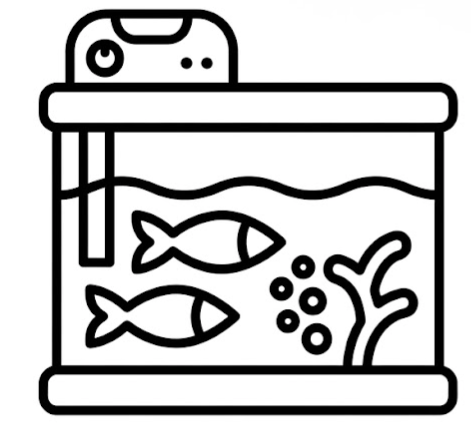 Fish tanks: Cover the tank and turn off the air pump. Uncover once you return.
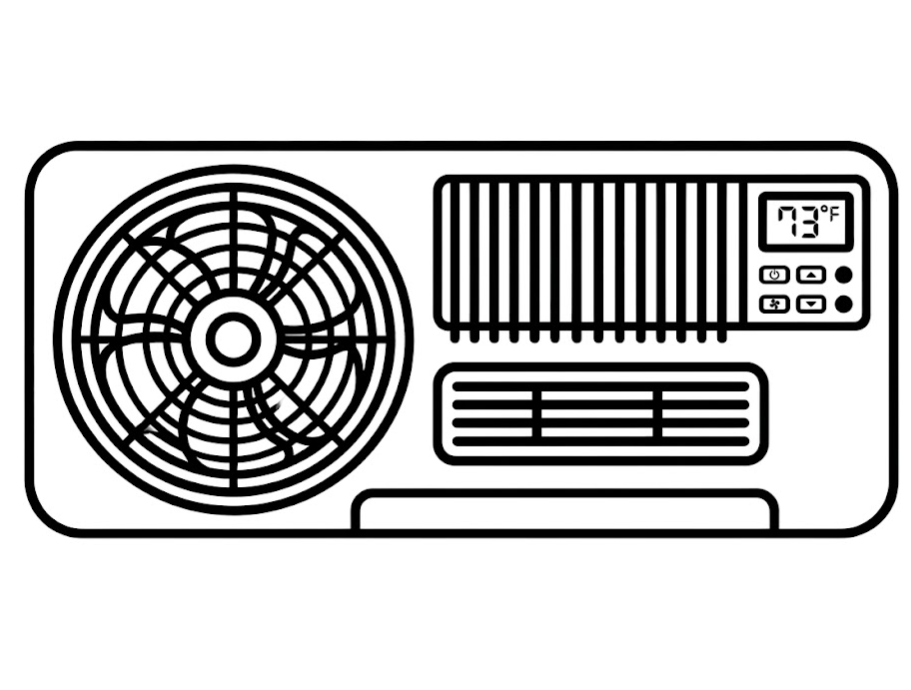 HVAC: If you control your thermostat, turn heating and cooling off. Turn it back on once you return.
3 things to do before we arrive
 Vacuum
- Vacuum all carpeted areas, mattresses, box springs, bed frames, upholstered furniture, and drawers. Focus on cracks and crevices.
- Seal and discard the vacuum bag in an outside trash bin right after. For bagless vacuums, empty, rinse, and wipe dry.
 Laundry
- Wash all clothing, bedding, and curtains per label instructions, then dry on the highest heat for at least 30 minutes. Already-clean items can go straight into the dryer. Contact a dry cleaner in advance for dry-clean-only items.
- Put dried items straight into sealed plastic bags or tied trash bags. Keep them sealed until after treatment.
- Discard empty bags outside right away.
 Clear access
- Strip all linens from mattresses and box springs.
- Pull furniture away from walls.
- Empty nightstands, dressers, and shelving so a technician can reach all areas.

Follow-up visits use the same prep
Bed bug treatment usually takes more than one visit to catch eggs that hatch after the first service. Complete this checklist again before every follow-up. It is the single biggest factor in a successful outcome.
No Guarantee
Bed bug treatments are not guaranteed. Bed bugs are often carried in on personal belongings, and in multi-unit buildings they can also spread between units, so reintroduction is always possible. Following this checklist and completing all follow-ups significantly improves results. Regal Pest Control is not responsible for reinfestation after treatment.

Chemical Sensitivity
If any occupants have been advised of pesticide sensitivity by a healthcare provider, notify Regal Pest Control in writing before treatment. Failure to do so assumes risk and waives related claims. We may deny or discontinue service upon notification.

Limitation of Liability
Regal Pest Control is not responsible for damage to or replacement of furniture, mattresses, linens, or personal items, nor for medical costs, personal injury claims, or loss of income related to bed bug activity.
Common questions
No questions match that search. Call or text us at (866) 453-7221 and we will answer directly.