
Rodent Control
More Than Traps. Lasting Control.
Mice and rats are among the most common pest calls we receive across Southeast Michigan and among the most important to address thoroughly. The most effective rodent control isn't just about eliminating the animals present. It's about finding and closing off how they're getting in.
Without exclusion, new rodents will continue to find the same entry points. Our approach combines population reduction with a thorough inspection for entry points and conditions that are attracting rodents to the property.

Species Identification
Mice vs. Rats: Why It Matters
Treatment strategies, bait selection, trap placement, and exclusion requirements differ between mice and rats. Correct identification is the first step to effective control.

House Mouse
- Small: 2 to 4 inches body length
- Enters through gaps as small as 1/4 inch
- Curious: investigates new objects quickly
- Nests in walls, insulation, cabinets
- Droppings rice-sized, scattered widely
- Can produce 6 to 10 litters per year indoors
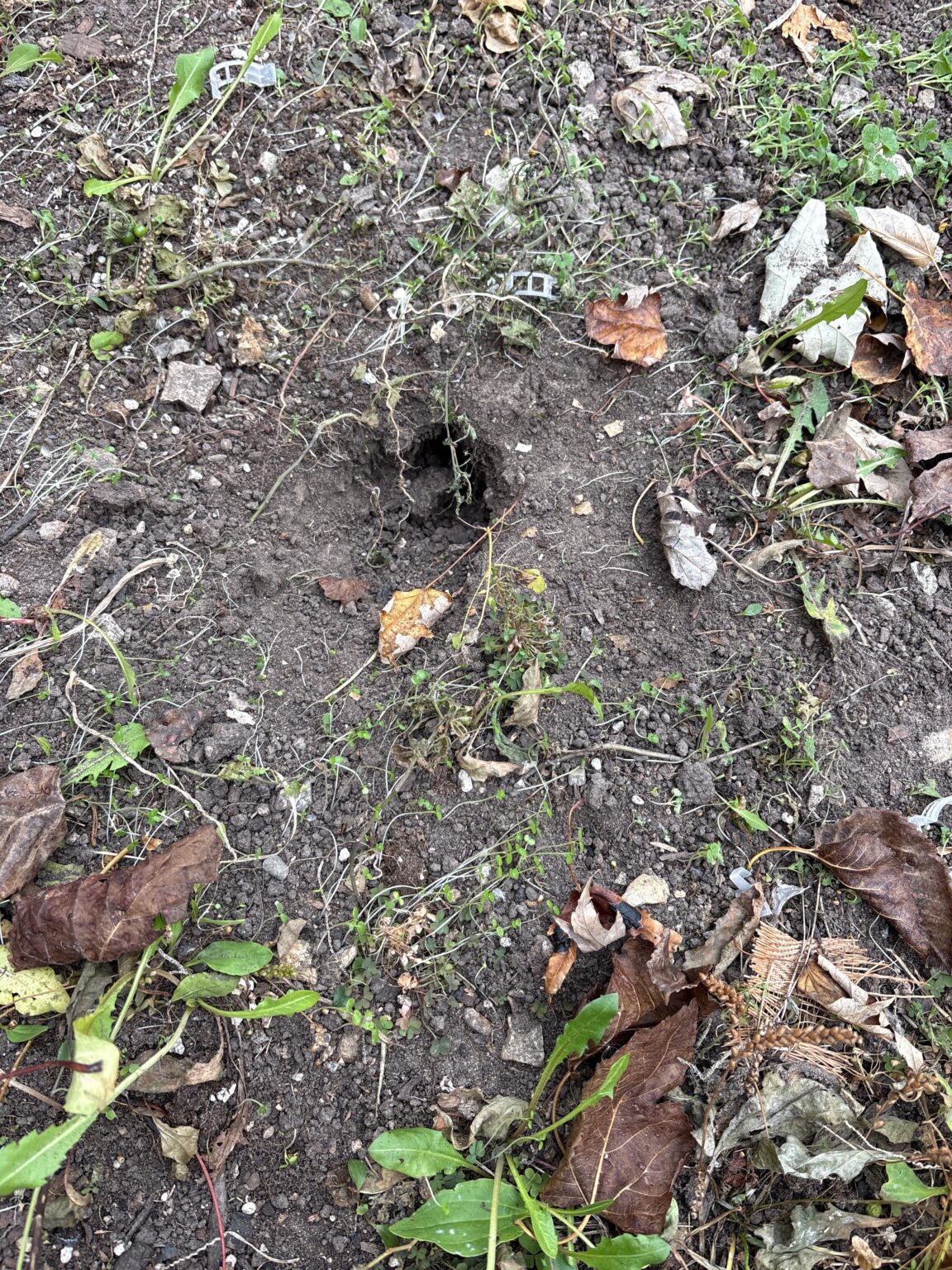
Norway Rat
- Larger: 7 to 10 inches body length
- Enters through gaps as small as 1/2 inch
- Cautious: slow to accept new objects
- Burrows near foundations; nests in lower levels
- Droppings larger (3/4 inch), found along runways
- Capable of gnawing through harder materials
Our Process
How We Treat Rodent Problems
Effective rodent control requires more than one visit and more than one tool.
Inspection
We inspect the interior and exterior for signs of activity, identify the species, locate entry points, and assess conditions contributing to rodent pressure.
Population Reduction
Tamper-resistant bait stations and traps are placed strategically along walls, in travel corridors, and near entry points inside and outside the structure.
Exclusion
We identify and recommend sealing of entry points with appropriate materials (steel wool, hardware cloth, caulk, or foam) to prevent new rodents from entering.
Follow-Up
Rodent control requires follow-up. We return to check stations, remove caught rodents, refresh bait, and confirm the infestation is resolved, not just reduced.
Tamper-Resistant Stations
Locking, Tamper-Resistant Stations
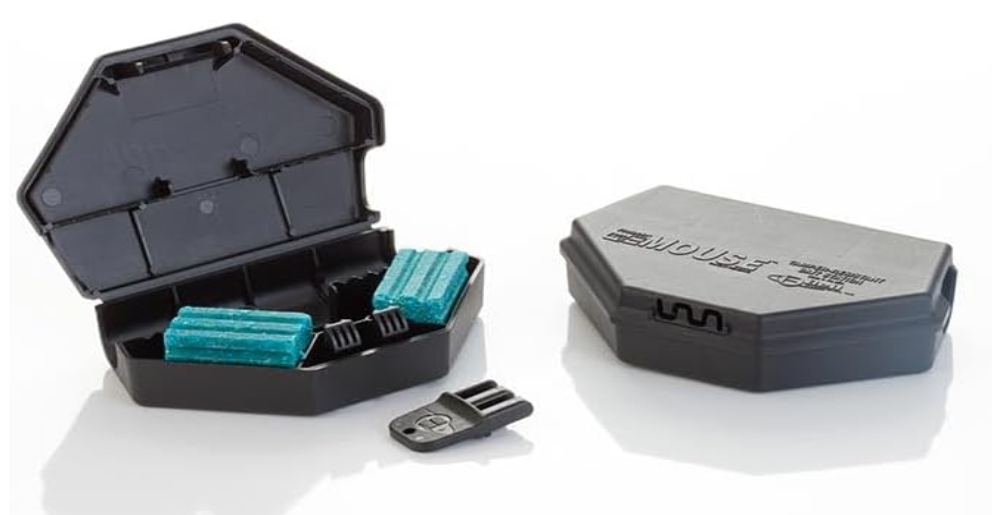
All bait stations we use are locking and tamper-resistant, designed to limit access by children and non-target animals. Station placement is always discussed with the homeowner before installation.
- Exterior stations for perimeter protection
- Interior stations placed along travel corridors
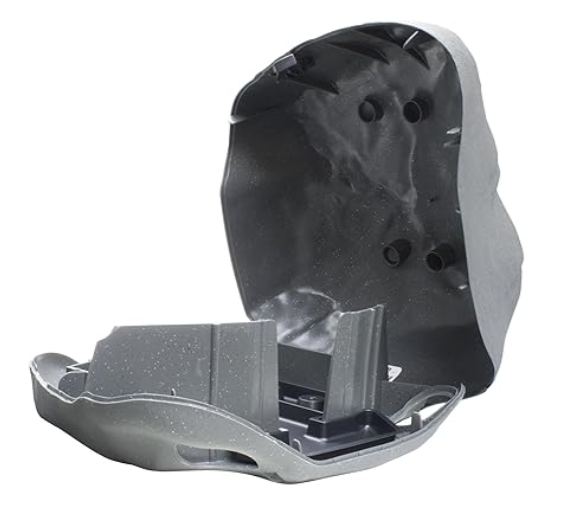
- Optional landscape-integrated stations available on request
- All stations monitored and serviced on follow-up visits

Common Questions
Mice & Rat Control FAQ
Why Regal?
Why Michigan Homeowners Choose Regal
We're not a national franchise. We're a locally owned, family and veteran operated company that has been protecting Michigan homes since 2000.

Over 25 Years in Business
Founded in 2000 in Michigan. Experience and track record that national chains can't match.

Real People Answer
No automated menus. Call and a Regal team member picks up, every time.

No Contracts. Ever.
Cancel any time. No fees, no penalties, no questions.

Fast & Reliable
One-hour service windows whenever possible. Usually scheduled within one to two business days.

IPM Approach
We use Integrated Pest Management to minimize chemical use while maximizing results.
Veteran-Led. Family-Owned.
Not a franchise. Your neighbors, and our reputation matters to us personally.
Schedule Your Service or Get a Quote Today
Family & veteran owned. Michigan's pest control professionals for over 25 years.