
Raccoons in Your Attic?
Raccoons are strong, persistent, and surprisingly good at finding weak points in a home's exterior. Once inside an attic they cause significant damage: tearing up insulation for nesting, contaminating the space with droppings and urine, and potentially chewing on wiring. A raccoon problem rarely resolves on its own.
Regal Pest Control uses live trapping to remove raccoons from your property, beginning with a thorough inspection to locate entry points and assess the situation. Optional seal-up service is available where entry points are found and accessible after trapping is complete.
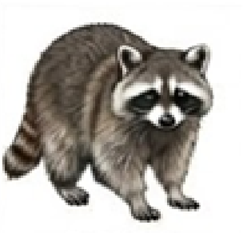
How Raccoons Get Into Your Home
Raccoons are strong climbers and methodical explorers. They probe rooflines for weakness and are capable of prying, pushing, and tearing through materials to create or enlarge an opening. These are the most common entry points we find.
Where Two Rooflines Meet
The most common entry point. Where two roof sections intersect, a tucked-in soffit section is often left exposed and poorly secured. Raccoons can get leverage at these junctions and push or pry the soffit loose. Once the soffit panel gives, access to the attic is straightforward.
Loose or Damaged Soffit Panels
Soffit panels that have sagged, separated, or been loosened by weather or age are easy targets. Raccoons need very little gap to get started. Once they can get leverage under a panel they can work it open quickly. This is especially common where soffits run along the gutter line.
Damaged Ridge Areas
A less common but real entry point. Raccoons can exploit damaged ridge vents or areas where ridge materials have deteriorated, particularly where shingles or flashing have separated. Damage at the ridge is often not visible from the ground, making a proper roof inspection important.
Signs of Raccoon Activity
Raccoons are most active at night, so you may hear them before you see any exterior damage. Common signs include:
- Thumping, scratching, or chittering sounds from the attic at night
- Pushed-in, displaced, or torn soffit panels along the roofline
- Tracks or muddy prints on fascia boards or siding near the roofline
- Insulation pulled out and visible outside the structure
- Strong musky odor from the attic, especially in warm weather
- Visible droppings in attic corners or on flat surfaces
If you are hearing heavy thumping at night from your attic, raccoons are among the most likely causes. They are significantly louder than squirrels or mice.
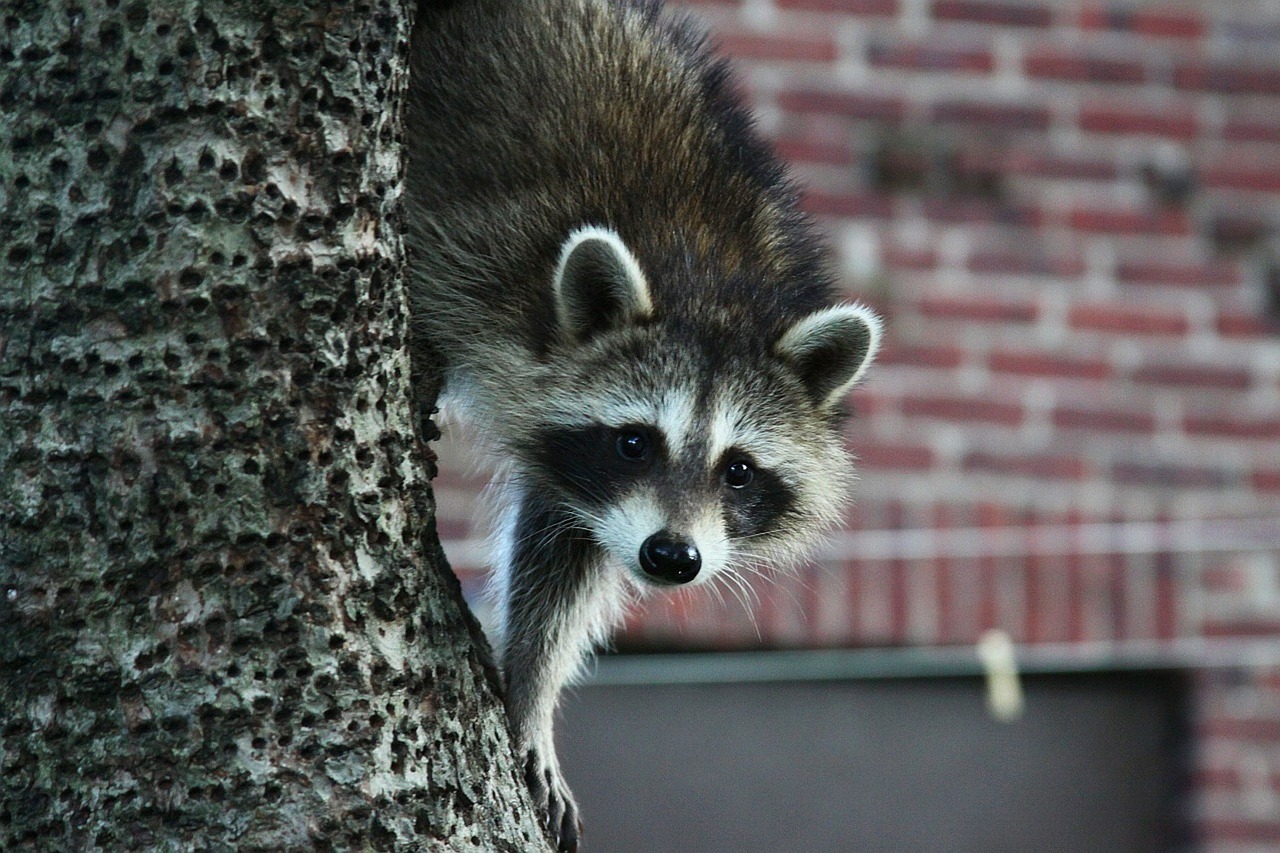
Our Raccoon Removal Process
Every raccoon removal program follows the same five-step approach.
Inspection
We begin with a thorough inspection of the property, focusing on the roofline and soffit areas where raccoons most commonly gain entry. We look for signs of activity, displaced or damaged soffit panels, and any other vulnerabilities. Entry point photos are taken where possible.
Assessment
After the inspection, our technician will walk you through what was found, explain the recommended trapping approach, and discuss what seal-up options are available at your location after trapping is complete.
Trapping
We set live traps in locations determined by our technician based on the inspection. Trap placement along the travel routes and gutter lines raccoons use to access the structure is critical to effectiveness. All trap type, placement, and quantity decisions are made by our trained technicians.
Daily Follow-Up
We return daily to check traps, remove any caught animals, and rebait or reposition as needed. Five visits are included, spaced 24 hours apart. Due to Michigan law effective July 2024, raccoons are subject to strict county-specific release regulations that may affect how and where animals can be relocated.
Optional Seal-Up
Where entry points are accessible, we offer a seal-up service at an additional charge. We typically install aluminum flashing secured with screws and silicone caulking at the identified entry points. These are functional patches designed to last for years, not permanent replacements. We do not install ridge guard. All determinations are made on-site during the inspection.
Raccoon Removal FAQ
Other Wildlife Services
We offer removal services for a wide range of nuisance wildlife throughout Southeast Michigan.

Schedule Your Raccoon Removal Today
Family & veteran owned. Michigan's wildlife removal professionals for over 25 years.