
Boxelder Bug Control in Southeast Michigan
Boxelder bugs are a seasonal nuisance pest that gathers on homes in large numbers each fall as temperatures drop. They spend the winter in wall voids, attics, and other protected spaces, then show up inside on warm days in late winter and early spring when they start moving again.
They do not bite, sting, or damage the structure. The problem is volume. A home near a female boxelder or silver maple tree can see hundreds of them on a sunny wall in a single afternoon, and a portion of those will find their way inside.
Timing matters more than anything else with this pest. Once they are inside the walls, there is very little that can be sprayed to reach them. The work that pays off is an exterior treatment before they move in, paired with sealing the gaps they use.
Signs You Have a Boxelder Bug Problem
Most calls we take start with one of these.
Where They Are Found
Identification
Boxelder bugs get confused with other fall invaders. Here is how to tell them apart.
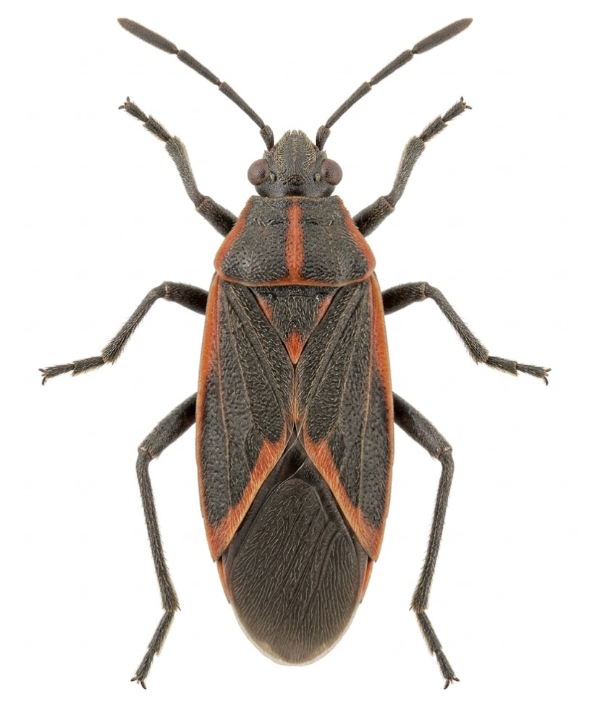
Boxelder Bug (adult)
About 1/2 inch long. Black with red or orange lines on the shoulders and along the wing edges, forming an X when the wings are folded. Flat and oval.
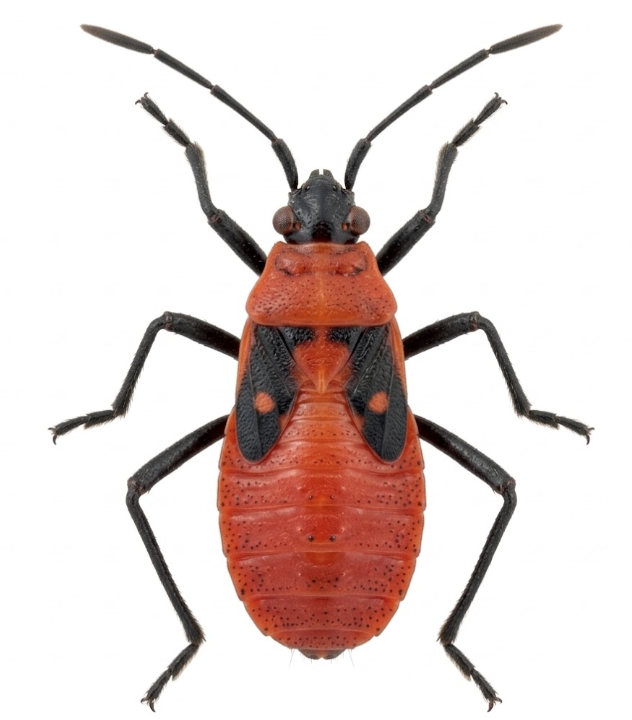
Boxelder Bug (nymph)
Bright red and wingless, smaller than the adult, with a rounded segmented abdomen. Usually seen in groups on tree trunks and seed pods in summer.
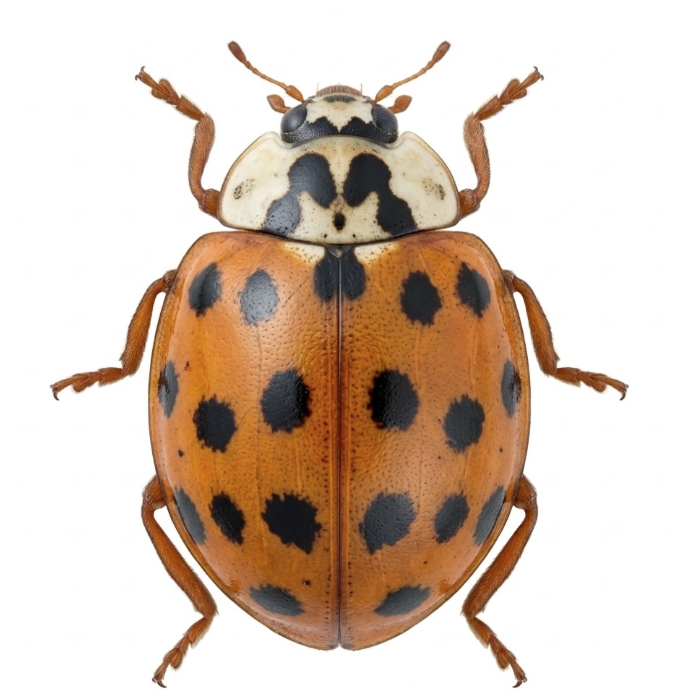
Asian Lady Beetle
Round and dome-shaped, orange to red with black spots and an M-shaped mark behind the head. Overwinters in walls too, often on the same walls at the same time of year.
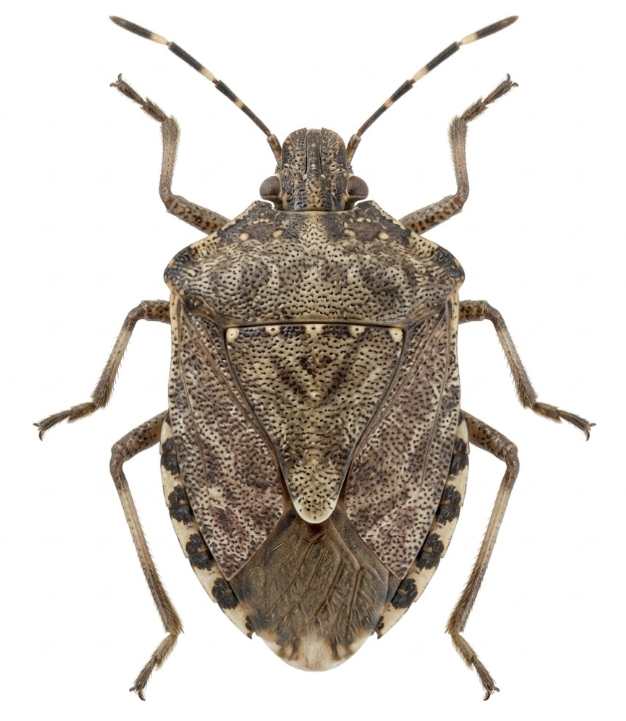
Brown Marmorated Stink Bug
Shield-shaped, mottled brown, about 5/8 inch, with light bands on the antennae. Releases an odor when crushed or vacuumed.
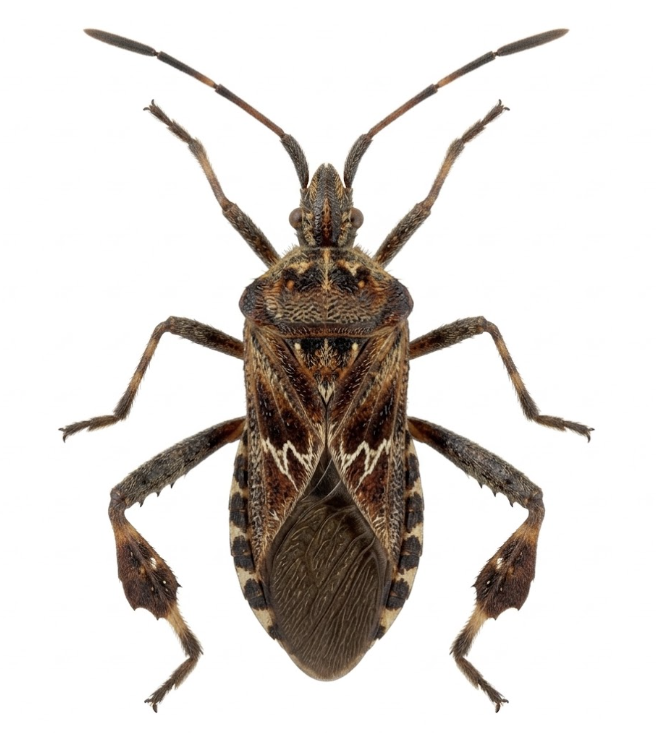
Western Conifer Seed Bug
Longer and narrower, brown, about 3/4 inch, with flared leaf-like segments on the back legs. Feeds on pine and spruce seeds rather than maple seeds.
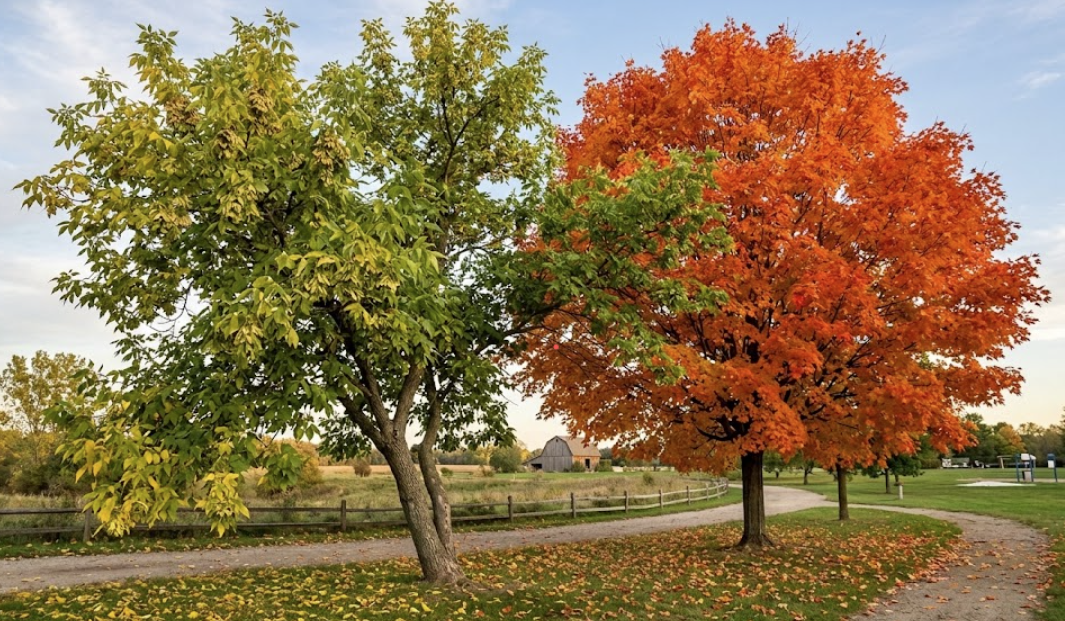
The Food Source
Boxelder bugs feed mainly on the winged seeds of female boxelder trees, and also on silver maple and ash. Homes within a block or two of those trees see the heaviest activity.
The Boxelder Bug Year
Knowing where they are in the cycle is what determines the right service.
Spring
Overwintering adults leave the structure on warm days, some of them through the inside of the home. They move to host trees and lay eggs.
Summer
Red nymphs develop on and under boxelder and maple trees. Populations build through the season with little activity on the house.
Late Summer and Fall
Adults gather on warm walls and begin looking for a way in. This is the window where exterior treatment does the most good.
Winter
They sit dormant in wall voids and attics. Warm spells pull them out, usually into the living space rather than back outdoors.
How We Treat
Boxelder bug work is an exterior job. Here is what a technician does on site.
Inspection
We walk the exterior to find the source of the activity, which is very often a female boxelder or silver maple on or near the property. We note the walls where they are gathering and the gaps around windows, doors, siding, and utility penetrations they are using to get in.
Exterior treatment
The product we will be using is applied to the walls where they are congregating, the foundation, and around windows, doors, soffits, and eaves. Timing is the key part. Treating before they start moving into the structure gives a much better result than treating after.
Entry point recommendations
We point out the openings that matter most and what it would take to close them. Sealing gaps in siding, replacing worn weatherstripping, and repairing screens cuts the number that get inside for years, not just for one season.
Ongoing coverage
On a service plan, the fall visit is timed for this pest, and if they come back between visits we return at no charge. For homes with a heavy source tree nearby, that repeat coverage is usually what keeps the numbers down long term.
See our service plans for ongoing coverage
What You Can Do
These steps make a real difference between treatments.
- Seal gaps around window frames, door frames, and where siding meets trim
- Replace worn weatherstripping and repair torn screens before fall
- Caulk around utility lines, dryer vents, and outdoor faucets
- Check that attic and soffit vents are screened
- Vacuum the ones you find indoors instead of crushing them, since crushing can stain
- Rake up seed pods under boxelder and maple trees in fall
- Consider removing a female boxelder tree if it sits close to the house
- Watch south and west walls in September and call at the first cluster
FAQ
Other Pests We Treat


Covered Under Our Service Plans
Boxelder bugs are covered under our service plans, which protect against over 20 pest types with no contract and unlimited free re-services between visits.
Need Help With Boxelder Bugs?
Family & veteran owned. Southeast Michigan's pest control professionals for over 25 years.