
Moles Tearing Up Your Lawn?
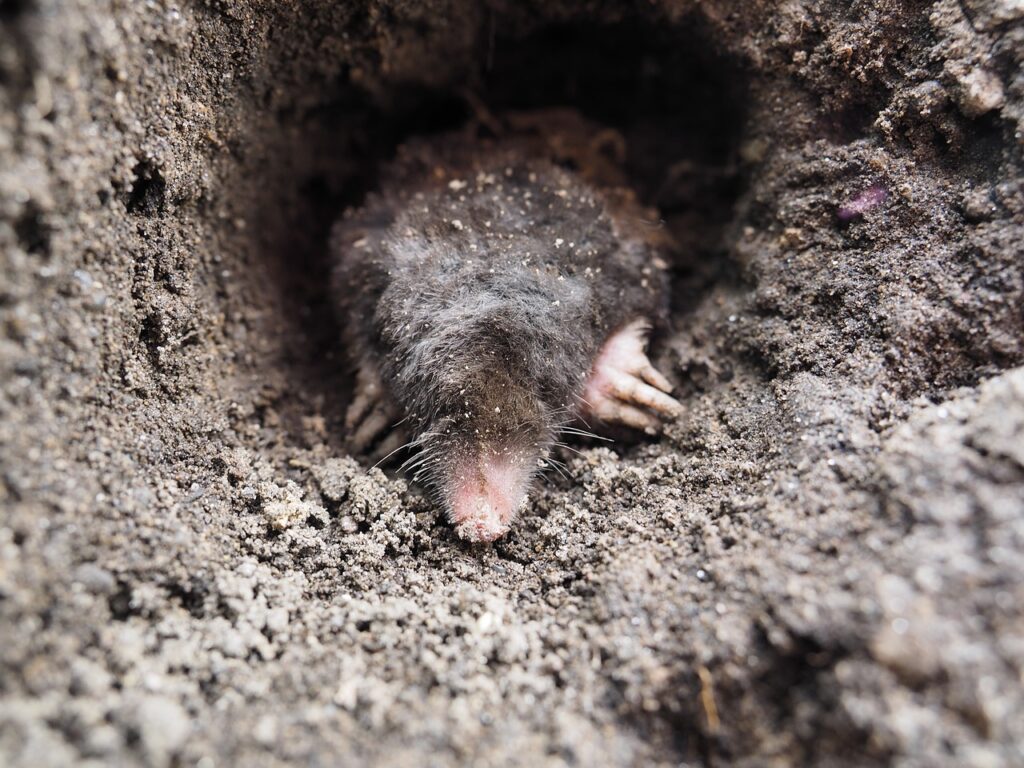
Moles are one of the most frustrating lawn pests in Southeast Michigan. Their tunnel systems can riddle a yard seemingly overnight, heaving turf, severing grass roots, and creating an uneven surface that is difficult to mow and unpleasant to walk on.
Regal Pest Control uses Talprid, a professional-grade earthworm-shaped bait placed directly in active mole tunnels. Because moles feed primarily on earthworms, Talprid is specifically designed to mimic their natural food source, making it far more effective than general rodenticide baits or home remedies.

Two Types of Moles in Michigan
Michigan has two mole species and they behave very differently. Knowing which type you have determines the best treatment approach.
Eastern Mole
The eastern mole tunnels just below the surface at about the depth of grass roots, creating raised ridges visible across the lawn. There are two tunnel types: expressways (straight or gently curved, used repeatedly for months or years) and side roads (serpentine, used once during hunting). Bait should be placed in active expressway tunnels for best results.
Star-Nosed Mole
The star-nosed mole tunnels 6 to 12 inches deep and is harder to control because its tunnels are far below the surface. What appears on the surface are occasional soil piles that look like small volcanoes. These are air vents, not burrow entrances. Surface baiting is less effective for this species.
How We Treat for Moles
Moles are not live-trapped like other wildlife. The most effective control method is professional bait placed directly in active tunnels.
We use Talprid, a professional-grade worm-shaped bait that closely mimics a mole's primary food source. It is placed in the active expressway tunnels where moles travel daily. Because it looks and feels like an earthworm, moles are far more likely to consume it than conventional rodenticide bait.
- 1. Inspection to identify active tunnel expressways
- 2. Talprid bait placed in confirmed active tunnels
- 3. Follow-up visits to assess results and rebait as needed
Note: Regal Pest Control does not fill in or alter mole tunnels as part of our service. Addressing tunnel damage to turf is the responsibility of the property owner.
FAQ
Other Wildlife Services




Professional Mole Control for Southeast Michigan
Targeted Talprid bait treatments for homes and businesses. No contracts. Over 25 years in business.
Need Help With Moles?
Family & veteran owned. Southeast Michigan's pest control professionals for over 25 years.