Squirrel trapping and removal for homes and businesses across Southeast Michigan, with optional seal-up. No per-animal fee for squirrels. Over 25 years serving Southeast Michigan.
Squirrels in an attic or wall are more than a nuisance. They chew through wiring, insulation, and wood, create openings for water and other wildlife, and can cause fires if they damage electrical wiring. Once they find a way in, they keep coming back to the same opening.
We use traps suited to the species and situation, starting with a thorough inspection. No per-animal removal charge for squirrels. They're covered under the base service price.
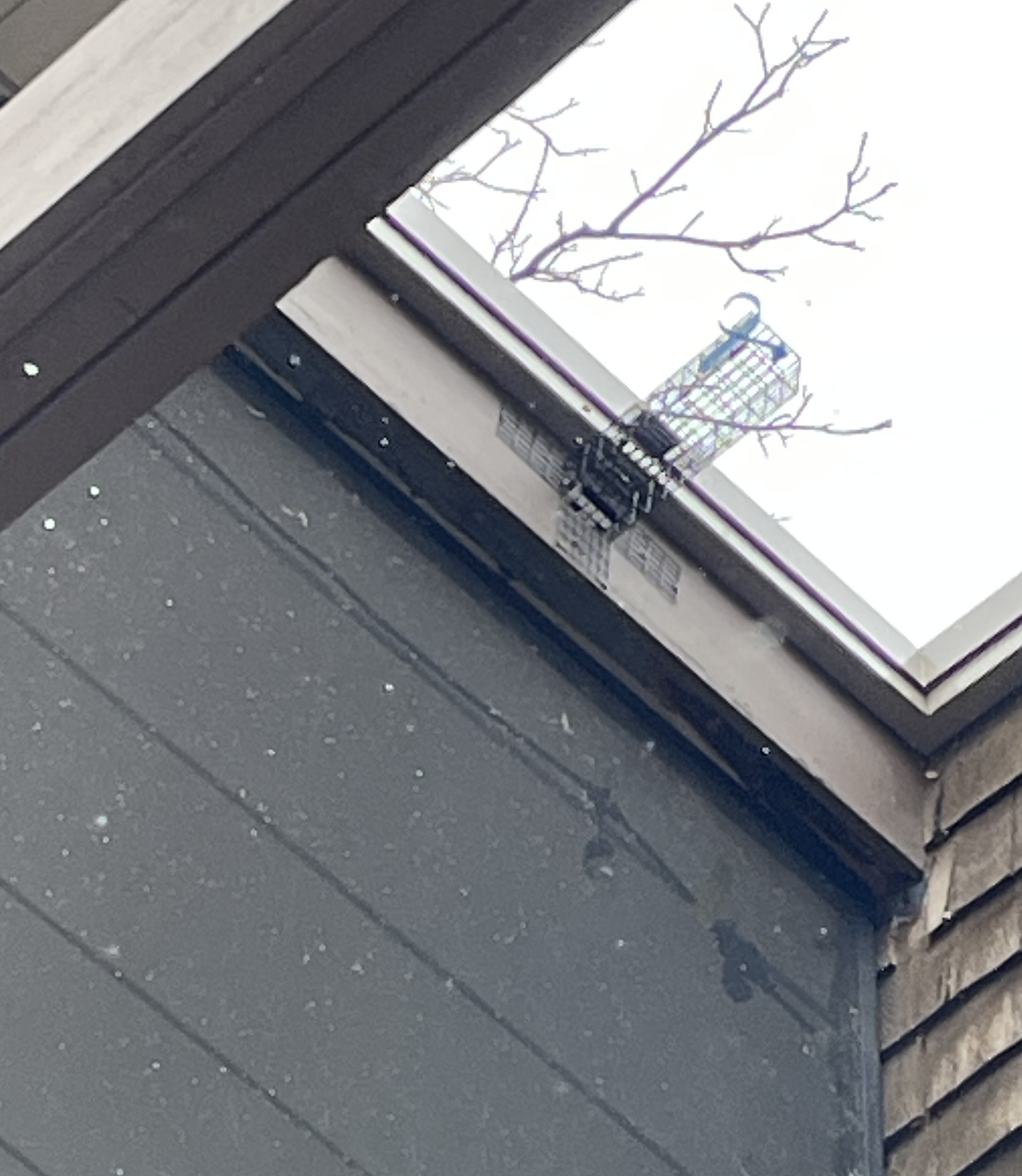
Squirrels get in up high, usually at the corners and edges of the roofline.
Swipe to see the full diagram.
1Cornice returns. The most common entry point on Southeast Michigan homes.
2Gaps around fascia boards. Especially where the wood has rotted.
3Behind gutters. Openings hidden behind the gutter line.
4Gable vents. Chewed or loose vent screens.
5Attics and walls. Where they nest and chew.
6Trees near the roof. Branches give them a bridge to the roofline.
Signs of Squirrels
Scurrying in the atticRunning and scratching, usually early morning and evening.
Chewed openingsFresh chew marks at cornice returns, fascia, or vents.
Branches touching the roofEasy access from nearby trees.
Damaged insulation or wiringNesting material, droppings, or chewed wires in the attic.
Gray Squirrel or Red Squirrel?
Gray squirrel
Larger, gray
Lives in groups
Most attic jobs
Where one gets in, others follow
Red squirrel
Smaller, reddish
Territorial and solitary
Less common
Relentless, destructive chewer
Both are common in Southeast Michigan and both are trapped the same way.
Squirrels in Southeast Michigan
Most common
Gray Squirrels
The squirrel most often responsible for attic intrusions. Larger, less territorial, and active year-round. They often use the same entry points repeatedly.
Red Squirrels
Smaller and more aggressive. Highly territorial and relentless chewers that can cause significant damage quickly once inside.
Trapping at the Entry Point
When a technician confirms a squirrel is actively using an opening, a trap may be set right at that entry point. It's a judgment call made on site, not done on every job.
Our 5-Visit Live Trapping Program
Our program doesn't just remove the animal. It helps you understand what's drawing it in so it's less likely to happen again. You get five active service days. We don't trap on weekends or major holidays.
1
Inspection
Visit 1. A full property inspection for signs of activity, entry points, and conditions like food sources or shelter. Traps are set based on what we find.
2
Assessment
Your technician walks you through what was found, the trapping approach, and what seal-up options are available at your location.
3
Trapping
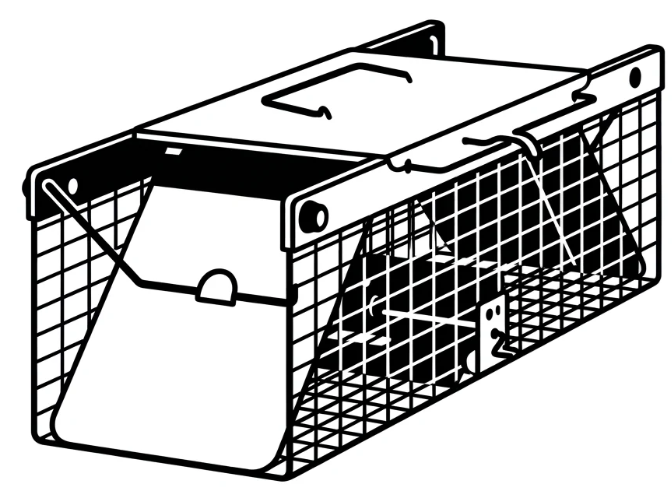
Live traps sized and baited for the animal. Trap type, number, and placement are determined by our technicians.
4
Daily checks
Visits 2 through 4. We check traps, remove the animal we're trapping for, re-bait, and reposition based on activity.
5
Final visit
Visit 5. Final trap check and removal. If entry points were found, we review the optional seal-up service.
About seal-up. Seal-up is optional, carries an additional charge, and is quoted at the initial visit. It's intended as a temporary exclusion to prevent entry until a long-term repair can be completed that blends better with the structure's exterior. We can address light rot or minor damage. Wood that's too soft, or an opening that's too large, needs a contractor. We don't work on roof ridges, ridge guard, or roof valleys, and our ladders reach 24 to 28 feet.
Ready to Start?
Wildlife pricing is provided when you request a quote. Once you have it, you can sign online in a few minutes.
Get a quote
Tell us about the property and the animal. Not sure what it is? We'll identify it.
“I had a great experience with Regal Pest Control. Steve went above and beyond in taking the time to walk me through the entire process and answer all of my questions. He was extremely knowledgeable and made sure I felt comfortable and informed every step of the way. Most importantly, he put my mind at ease that the services performed were thorough and more than adequate. I really appreciated the level of communication and care, highly recommend.”
David P.
“Called them and they had Chris come out within an hour. He did a thorough search inside and out. I could not ask for better service or a nicer guy. He found a place where rodents could get in which I did not know. Very happy with Regal pest control.”
Mary B.
“Outstanding technician named Zack! Great office manager named Steve! Zack was thorough and professional. Very careful when spraying and didn't miss a thing. Informative and answered questions. Would highly recommend Regal Pest Control. Request Zack.”
C.B.
“Great company. Steve and Brian in the office are very courteous and explain services thoroughly. Zack, who came out to set the traps, is wonderful. He is extremely due diligent, explains everything and very courteous. He is a pleasure to work with. He cleaned everything up and sealed up the hole. I will definitely use them again if needed. You won't be disappointed!”
Lorie T.
“Regal Pest Control was super prompt. They came within a short time after I called. Lorne, was very nice, thorough and professional. He performed a reasonably priced inspection and found no evidence of intrusion. He, very honestly, did not recommend any further action. If we have further suspicions of rodents in our attic, we'll have Regal return for service. I highly recommend Regal for your pest problems.”
Donald B.
“I would not consider anyone else for pest control! The staff is very responsible and knowledgeable, and their follow-up service is impeccable!”
Huntington Park HOA
“We have consistently been well cared for with REGAL PEST CONTROL. Thank you for the consistent, timely and professional work. It has proven effective. 2 properties well addressed. Note: we are quarterly cared for and that is a routine that is keeping nature outside. Thank You”
Mary W.
“Thorough job by our technicians. We are seeing good results. We also appreciate the detailed communication both before and after the service.”
Andrea R.
“Such a great experience! They were fast, efficient and informative. I will definitely be calling them in the future, if needed.”
Nicole K.
“From my businesses to my home this is the my go to place my pest control needs!”
No matching questions. Call or text (866) 453-7221 and we'll answer it.
We use traps suited to the species and situation. Our 5-visit program includes a full inspection, assessment, trapping with daily checks, and optional seal-up where it applies.
No. Squirrels are covered under the base service price, with no per-animal removal charge.
The most common entry points are cornice returns, gaps around rotted fascia boards, and openings behind gutters. Squirrels don't typically enter through the ridge, so ridge guard isn't part of our seal-up service.
Yes, as an optional service at an additional charge. We typically install aluminum flashing secured with screws and silicone caulking at cornice returns and openings around fascia and gutters. It's a temporary exclusion until a long-term repair can be made. We don't color-match materials.
They chew through wiring, insulation, and wood framing. Chewed wiring is a fire hazard. They also contaminate insulation and can create openings for water or other wildlife.
No. Trapping is an attempt to catch wildlife, and we don't guarantee any animal will be caught or that every entry point can be found or sealed. See our wildlife service terms.
Not if we trap from the exterior. Interior trapping is optional and needs someone home for an access window of at least four hours on each of the five active service days, between 9:00 AM and 5:00 PM, Monday through Friday.
No. We don't trap on weekends or major holidays. Traps are secured open before any day we won't be there, so no animal is left in a trap. You always get five active service days.
It's released on site unless you selected it for removal on your signed agreement. Cats, dogs, and other domestic animals are always released. Skunks are always removed.
Cash, check, and all major credit cards. Payment is due at the time of service. The base price is due at the initial visit before traps are set, and per-animal fees and seal-up are due when that work is done.
Need Help With Squirrels?
Call or text us, or request a quote online. Family & veteran owned. Serving Southeast Michigan for over 25 years.

 Log In
 1-866-453-7221


 Raccoons
 Skunks
 Opossums
 Groundhogs
 Chipmunks
 Moles
 Birds