
Southeast Michigan
Bed Bug Treatment
Inspection, treatment, and follow-up visits for homes and businesses across Southeast Michigan.
- Family-owned and veteran-led
- Homes and businesses
- Serving Southeast Michigan for over 25 years
Bed Bug Treatment in Southeast Michigan
Bed bugs are small, flat, reddish-brown insects that feed on blood, mostly at night. During the day they hide in tight spots close to where people sleep and sit. They travel on luggage, used furniture, and clothing, and in multi-unit buildings they can spread between units.
Bed bugs aren't a sign of a dirty home. They turn up in houses, apartments, hotels, and businesses of all kinds.
We start with an inspection, treat the areas where bed bugs hide, and come back for follow-up visits to catch the ones that hatch after the first service.

What Bed Bugs Look Like
Adults are about the size and color of an apple seed. Nymphs are smaller and paler, and eggs are about the size of a pinhead. Bed bugs are often mistaken for ticks, cockroaches, and carpet beetles, so we confirm what you have during the inspection.
Adults
5 to 7 mm (3/16 to 1/4 inch)- Reddish-brown, flat, and oval, about the size of an apple seed
- After feeding: swollen, longer, and more reddish
- Small wing pads, but they can't fly or jump
- Females have a rounded rear end. Males are more pointed.
Nymphs
1.5 to 4.5 mm- Straw-colored to light tan and nearly see-through
- Bright red right after feeding, as the blood shows through
- Five stages, each a little bigger and darker
- Hard to spot until they feed
Eggs
1 mm (1/32 inch)- Pearly white, about the size of a pinhead
- Glued in place in seams, cracks, and crevices
- A dark eye spot shows after about 5 days
- Hatch in about 6 to 10 days at room temperature
Signs of an infestation
Dark spots
Black or rust-colored dots on mattress seams and sheets. Fresh spots can bleed into fabric like ink.
Shed skins
Tan, empty skins left behind each time a nymph molts.
Eggs and egg shells
Pearly white, about 1 mm long, glued in seams, cracks, and crevices.
Blood smears
Rusty or red smears on sheets from bed bugs crushed after feeding.
Live bugs
Usually in mattress seams, box springs, bed frames, and headboards.
Bites
Itchy welts, sometimes in a line or cluster. Some people don't react at all, so bites alone don't confirm bed bugs.
The Bed Bug Life Cycle
Bed bugs grow from egg to adult through five nymph stages. A nymph has to take a blood meal before it can molt into the next stage. At room temperature, the trip from egg to adult takes about 5 to 6 weeks.
Egg
Pearly white, about the size of a pinhead, and glued in place in seams and cracks. A dark eye spot shows after about 5 days.
1st stage nymph
Straw-colored and nearly see-through. Easy to miss until it feeds.
2nd stage nymph
Pale yellow. Needs a blood meal before it can molt again.
3rd stage nymph
Pale tan. Leaves a shed skin behind with every molt.
4th stage nymph
Light tan and easier to spot, especially along mattress seams.
5th stage nymph
Close to adult size but lighter, with no wing pads yet.
Adult bed bug
Reddish-brown, flat, and oval, like an apple seed (3/16 to 1/4 inch). Swollen and more reddish after feeding.
Size bars use the same 0 to 7 mm scale. Nymphs turn bright red right after feeding, then flatten as they digest. Times are typical for room temperature (70 to 80°F) with a person nearby to feed on. Cooler rooms and missed meals slow every stage. In a heated home, unfed bed bugs usually survive about 1 to 4 months.
Why follow-ups are 14 to 21 days apart
Many eggs survive the first treatment and hatch over the next week or two. Visit 2 treats those nymphs while they're still growing, well before any are old enough to lay eggs. Visit 3 catches late hatchers and any survivors.
Based on typical room temperature (70 to 80°F) with a person nearby to feed on. Cooler homes stretch out every stage, which is one more reason the third visit matters.
Where Bed Bugs Hide
Bed bugs stay close to where people sleep and rest. Most are found in and around the bed, packed into seams, cracks, and joints.
How We Treat Bed Bugs
We treat bed bugs with professional insecticides. We don't offer heat treatment. Every service starts with an inspection so we know where to focus.
Inspection
A technician checks beds, furniture, and nearby cracks and crevices to find where bed bugs are hiding and how far they've spread.
Targeted treatment
Products go on bed frames, furniture, baseboards, cracks, and crevices. They keep working as bed bugs crawl over them.
Fogging
Most treatments also include fogging. Everyone, including pets, stays out of the home for at least 4 hours.
We recommend three services
Initial treatment
StartInspection, then treatment of the bed and furniture areas where bed bugs hide.
First follow-up
14 to 21 days after visit 1Treats the nymphs that hatched from eggs that survived the first service.
Second follow-up
14 to 21 days after visit 2Catches late hatchers and any survivors before they can lay eggs.
Bed Bug Pricing
Bed bug treatments are priced separately from standard service plans. Contact us for a quote specific to your situation.
Before Every Visit
Complete these steps before the first service and again before each follow-up. Good preparation is one of the biggest factors in a successful outcome.
Plan to be out for at least 4 hours
All people and pets must leave during treatment and stay out for at least 4 hours afterward.
Told your treatment does not include fogging? No extended wait is needed. Stay off treated surfaces until they are dry, usually a couple of hours. Not sure? Ask your landlord or property manager, or contact us.

No store-bought foggers or sprays
Do not use store-bought foggers, bug bombs, or any DIY sprays before your service. These don't reach hiding bed bugs and can make the problem harder to treat.
Also handle these before treatment

Food: Store everything in sealed containers, cupboards, or the fridge.
Pets: Take all pets with you, including birds. Birds are highly sensitive to airborne pesticides.
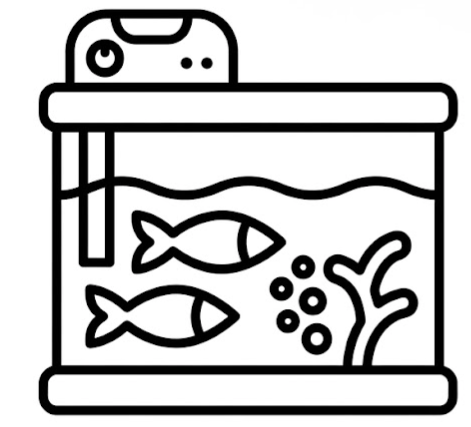
Fish tanks: Cover the tank and turn off the air pump. Uncover once you return.
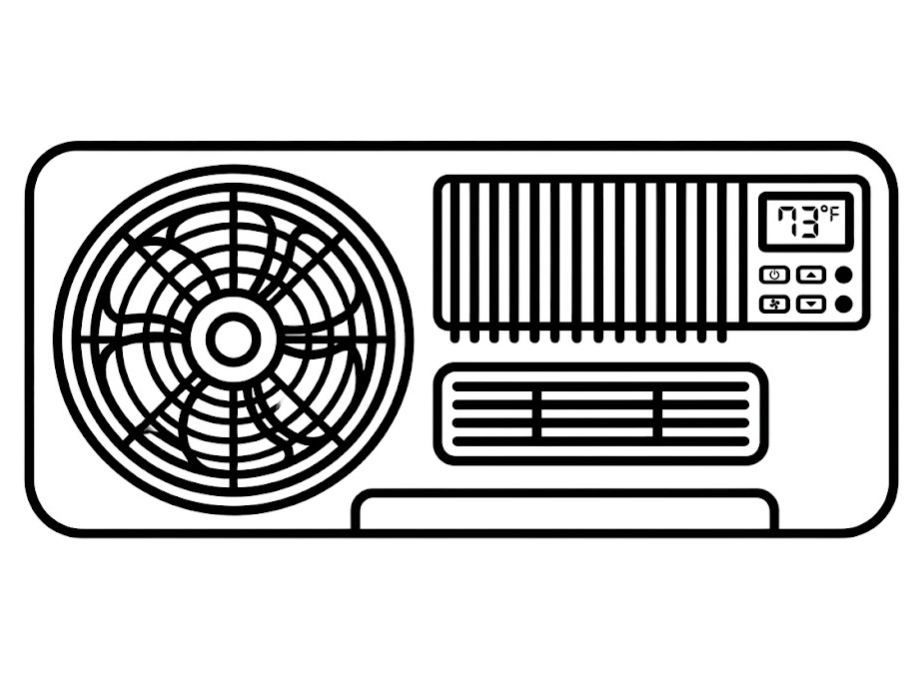
HVAC: If you control your thermostat, turn heating and cooling off. Turn it back on once you return.
3 things to do before we arrive
Vacuum

- Vacuum all carpeted areas, mattresses, box springs, bed frames, upholstered furniture, and drawers. Focus on cracks and crevices.
- Use the crevice tool and go slowly along the edges of each room. A slow, thorough vacuum does more than a quick pass.
- Seal and discard the vacuum bag in an outside trash bin right after. For bagless vacuums, empty the canister into a trash bag, tie it, and take it outside. Then wash the canister with hot, soapy water, rinse it, and let it air dry.
Laundry and bagging

- Wash all clothing, bedding, curtains, and valances per label instructions, then dry on the highest heat for at least 30 minutes. Don't overfill the dryer. Already-clean items can go straight into the dryer.
- Put dried items straight into sealed plastic bags or tied trash bags. Keep them sealed until after treatment.
- Coats, shoes, and purses: Many coats and sneakers can go in the dryer on high heat for 30 minutes. Look over anything that can't, then seal it in a tied trash bag. The checklist covers each one.
- Where to put the bags: In the middle of the room, away from the walls. A technician may move them to treat the floor underneath, then set them back once it dries.
- Discard empty bags outside right away.
Clear access
- Strip all linens from mattresses and box springs. Open sofa beds, strip them, and leave them open. A technician won't open a sofa bed.
- Pull furniture, storage bins, and shoe racks about a foot away from walls. Large, heavy pieces like a big dresser can stay where they are.
- Move light or fragile items yourself so a technician doesn't have to handle them.
- Empty nightstands, dressers, and low shelves near beds and couches so a technician can reach all areas.
- If storage, utility, or furnace rooms are part of your treatment, pull bins and boxes away from the walls and give open cardboard boxes a quick look.
No need to bag these
Just pull anything against a wall about a foot out.
- ✓ Pots, pans, and other kitchenware
- ✓ Items a few feet up on wall shelves (check any open boxes)
- ✓ CDs, DVDs, and media towers
- ✓ Sealed plastic storage bins
Full preparation checklist
Every step in detail, plus how to handle shoes, purses, coats, and storage rooms, and answers to common prep questions.
Bed Bug Questions
No questions match that search. Call or text us at (866) 453-7221 and we'll answer directly.
Other Pests We Treat


Need Help With Bed Bugs?
Family-owned and veteran-led. Serving Southeast Michigan for over 25 years.